
 English
 简体中文
简体中文 Español
 Français
 Deutsch
 Русский
 Português
 Italiano
 日本语
日本语 한국어
한국어 العربية
 Türkçe
 Tiếng Việt
 ไทย
ไทย Indonesia
 Melayu
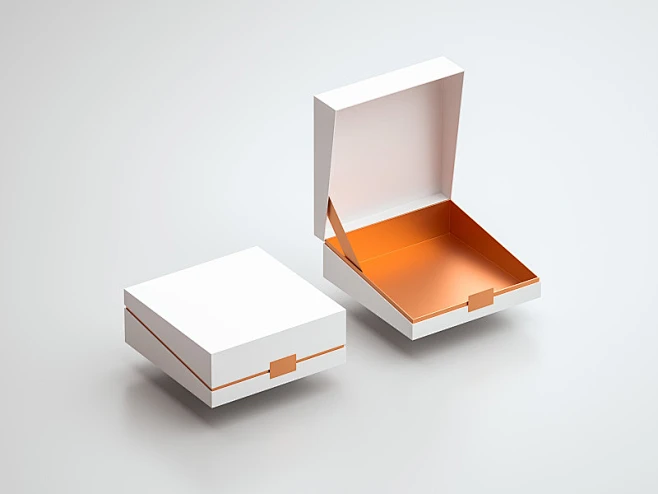
Qualified anti-static matte black cosmetic box products often pass strict factory quality inspections with flawless matte texture and uniform color. Yet most anti-static matte black cosmetic box packaging will accumulate fine floating dust shortly after being placed in display and storage environments. The annoying electrostatic attraction dust box issue ruins the high-end texture of matte black packaging, triggers frequent customer returns, and creates unnecessary product waste for beauty brands. This common packaging pain point, caused by static dust adhesion, is exactly the core problem solved by the professional static dust prevention for packaging technology developed by Shengcai, a senior custom packaging manufacturer.
After thousands of cosmetic packaging customization projects and repeated laboratory tests, we found that most dust problems on matte black packaging stem from physical defects of matte coating rather than poor sanitation. Matte black paper coating adopts synthetic polymer formula, which features high surface resistivity. Test data from our constant temperature and humidity laboratory (23℃, 45% relative humidity) shows that ordinary glossy paper has a stable surface resistivity of 10⁸Ω/sq, while untreated matte black paper reaches 10¹⁰~10¹²Ω/sq. The ultra-high resistivity makes static charges unable to dissipate naturally. Coupled with microscopic 2μm-12μm irregular micropores on the matte surface, the actual contact area increases exponentially, forming countless static accumulation points that firmly capture ambient dust.
What Storage Conditions Worsen Static Dust on Matte Finish Dust Resistant Packaging
Many brands invest in matte finish dust resistant packaging materials but still fail to avoid dust accumulation. In fact, unreasonable storage and transportation environments are key accelerators of static dust problems, which will greatly weaken the actual effect of anti-static coating for paper box. We have summarized five core adverse environmental factors that are most likely to cause static dust accumulation in daily packaging storage:
- Long-term dehumidified warehouse operation keeps indoor humidity below 35%, greatly reducing air conductivity and losing the natural static elimination effect of water molecules
- Frequent stacking, handling and transshipment of finished boxes cause continuous friction between paper surfaces, generating a large number of free static charges
- Insulating plastic storage shelves and turnover tools cannot conduct and release static electricity accumulated on packaging surfaces
- Natural ventilation brings dry outdoor floating dust, and fine dust particles carry weak opposite charges, making them easier to adhere to static packaging surfaces
- Mixed storage of paper boxes, pearl cotton and plastic packaging bags triggers heteromaterial contact friction and continuous static generation
How Different Anti-Static Varnish Cosmetic Packaging Technologies Solve Dust Problems
There is no one-size-fits-all anti-static packaging solution. Different anti-static varnish cosmetic packaging processes vary greatly in durability, tactile performance and applicable scenarios. Shengcai classifies and optimizes four mainstream mature anti-static and dust-proof processes forcustom matte black anti-static cosmetic paper box to match different brand positioning and product sales cycles:
1. External Spray Coating Anti-Static Varnish Process
This is the most cost-effective mainstream process for mass-market cosmetic packaging. By spraying water-based conductive polymer varnish on the outer layer of finished boxes, it absorbs tiny moisture in the air to form a continuous conductive layer, realizing static diversion and dust prevention.
2. Substrate Integrated Anti-Static Coating Process
Conductive inorganic salts and ultra-fine carbon fiber materials are blended into paper pulp in the paper making stage, so the packaging substrate has permanent conductive performance. This process does not change any printing and tactile effect of the paper box, suitable for long-term display products.
3. Nano Transparent Conductive Composite Coating Process
Adopts ultra-thin graphene composite nano-coating for full coverage treatment. The coating is completely invisible to the naked eye, perfectly retaining the original high-grade matte texture, and has permanent anti-static and dust-proof performance.
4. Temporary Silicone Oil Release Dust-Proof Process
A thin layer of silicone oil release film is coated on the box surface to physically isolate static adsorption points. It is only used for factory temporary storage and short-distance transportation protection, not suitable for long-term shelf display.
| Processing Technique | Core Working Mechanism | Valid Protection Lifespan | Changes on Printing & Tactile Feeling | Suitable Product Range |
|---|---|---|---|---|
| External Spray Coating Anti-Static Varnish | Conductive polymers absorb ambient moisture to build continuous conductive paths for static release | 6–12 months | Slight gloss rise with over 90% original matte texture preserved | Mass-market makeup, entry-level skincare gift sets for bulk orders |
| Substrate Integrated Anti-Static Coating | Conductive salt and micro carbon fiber blended into pulp to embed permanent conductivity inside raw paper | Permanent for whole product service life | Zero shift on printing effect or surface touch, fully identical to original design | Mid-tier essence bundles, perennial best-selling cosmetic gift boxes |
| Nano Transparent Conductive Composite Coating | Ultra-thin graphene composite film fully covers box surface to eliminate static accumulation points | Permanent for whole product service life | 100% original matte hand feel with no gloss variation, invisible coating | Limited-edition luxury makeup kits, salon exclusive skincare packages |
| Temporary Silicone Oil Release Dust-Proof Process | Silicone release film physically isolates dust and static adsorption spots on carton surface | Only valid during in-factory storage and short-distance transit | Slightly slippery surface, mild stickiness emerges after prolonged open-air placement | Temporary transit packaging and consignment stock |
How Do Anti-Static Matte Black Cosmetic Box Products Pass Strict Factory QC
All customized packaging produced by Shengcai will undergo exclusive anti-static and dust-proof testing before delivery, to ensure that each batch of matte finish dust resistant boxes can maintain stable display effect in terminal scenarios. Our three mandatory pre-delivery testing standards cover simulation of multiple actual usage scenarios:
- Carbon powder drop simulation test: Spread ultra-fine carbon powder evenly on the box surface, flip the box vertically at 90 degrees, and calculate the residual dust proportion to visually verify the dust-proof performance of anti-static coating for paper box
- Surface resistivity random inspection: 15 finished boxes are randomly selected from each batch for high-precision resistance testing to ensure the data meets international anti-static packaging standards
- 72-hour sealed dust exposure test: Place finished boxes in a constant temperature and dry simulation chamber for three days to record natural dust adhesion and screen out unqualified products
FAQs About Static Dust Prevention for Packaging on Matte Black Cosmetic Boxes
Most brand purchasers will have consistent questions about anti-static transformation and subsequent use of matte black cosmetic packaging. We have sorted out the most authoritative and frequently asked questions based on years of customization experience:
Q1: Will anti-static treatment affect the recyclability of water-based anti-static varnish matte packaging box?
A: All water-based anti-static raw materials adopted by Shengcai hold FSC environmental certification, without any non-degradable chemical additives. The anti-static coating only acts on the surface and will not damage the paper fiber structure. Processed boxes remain fully recyclable and eco-friendly.
Q2: Will temperature and humidity changes weaken the dust-proof effect of anti-static matte black cosmetic box?
A: Moderate humidity can actually boost the conductive performance of anti-static layers. Only the ultra-dry environment with humidity below 30% will slightly slow down static dissipation. For products transported and stored in dry areas, we will equip independent moisture-proof outer packaging to stabilize the matte finish dust resistant effect.
Q3: Can anti-static processing be added to existing mass-produced packaging with fixed molds?
A: Absolutely yes. The post-stage anti-static varnish cosmetic packaging coating process is independent of die-cutting and box forming procedures. No mold modification or re-opening is required, and it can be quickly added to ongoing mass production orders.
Q4: Are small-batch custom matte black anti-static cosmetic paper box orders supported for full anti-static treatment?
A: Shengcai’s flexible intelligent production line supports full-process anti-static processing for both large-batch mass orders and small-batch trial orders. We never reduce process standards or testing links due to small order volume.
The high-end texture of matte black cosmetic packaging is irreplaceable in the beauty industry, but static dust adhesion has always been a major pain point restricting terminal display and product sales. With mature static dust prevention for packaging technologies and strict quality control systems, Shengcai provides targeted customized anti-static solutions for different beauty brands, completely solving the electrostatic attraction dust box problem, and helping brands maintain perfect product shelf presentation for a long time.