
 English
 简体中文
简体中文 Español
 Français
 Deutsch
 Русский
 Português
 Italiano
 日本语
日本语 한국어
한국어 العربية
 Türkçe
 Tiếng Việt
 ไทย
ไทย Indonesia
 Melayu
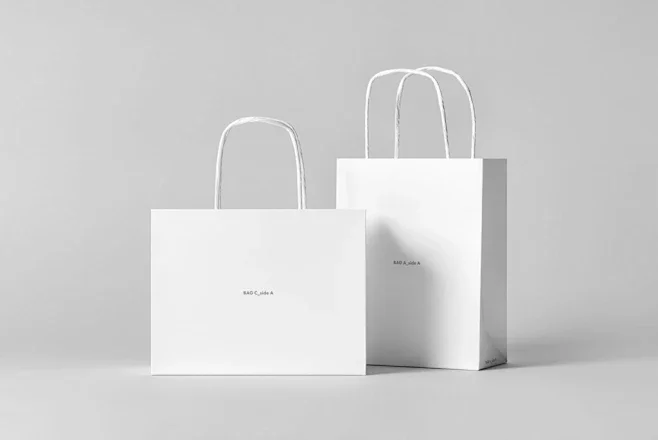
When the muggy rainy season arrives, supply chain managers and packaging procurement leads for high-end brands face a recurring challenge: premium custom light-colored luxury paper bags quietly developing unsightly mold spots or embarrassing yellow stains in warehouse storage or ocean transport.
For luxury brands built on exquisite aesthetics, any minor flaw on a minimalist light-colored paper surface is magnified. Packaging intended to elevate brand perception ends up undermining it. While many attribute this solely to ambient humidity, the root causes of luxury paper bag mold and yellowing are far more complex.
Here is an insider look from Shengcai Packaging experts on why this happens and how to implement a total packaging solution—from selecting breathable moisture-proof films to enforcing factory control standards.
1. Why Do Light-Colored Luxury Paper Bags Yellow & Mold Quickly?
Mold growth requires three key conditions: nutrients, moisture, and a sealed environment:
- Rich Organic Nutrients: Paper consists of natural plant fibers, and traditional glues (such as starch-based pastes) used in bag assembly serve as an ideal nutrient source for mold spores.
- The “Sealed Trap” Dilemma: To protect paper bags, brands often apply lamination. However, standard completely sealed film traps residual moisture inside the bag. Under warm storage conditions, this creates a “greenhouse effect,” forming condensation and accelerating mold outbreaks.
- High Visual Sensitivity: Discoloration on dark paper bags is hard to spot, but yellow spots or mildew on off-white or light-toned luxury bags are immediately noticeable.
Solving this requires shifting away from “100% airtight sealing” toward one-way breathable moisture-proof films backed by strict quality assurance.
2. How to Select the Right Moisture-Proof Breathable Film
When choosing a protective film for luxury paper bags, waterproofing is only part of the equation. Consider these three critical factors:
- One-Way Moisture-Release Structure: The film must block external high-humidity moisture from penetrating inwards while allowing trapped interior moisture to slowly evaporate out.
- High Optical Clarity & Color Fidelity: Premium base materials ensure that light-colored paper retains its original texture without turning gray or dulling, cutting off yellowing risks at the source.
- Compatibility with Water-Based Anti-Mold Glues: The film layer must work in harmony with stable, eco-friendly water-based anti-mold adhesives to eliminate nutrient supply for mold.
3. Comparison of Film Lamination Materials
| Film Type | Moisture Protection | Breathability | Yellowing Risk (Light Paper) | Eco-Friendly Grade | Ideal Application |
| Traditional BOPP Film | Medium | Completely Airtight | Higher | Average | Short-term retail packaging; unsuitable for long-term sealed transit. |
| Functional Breathable Moisture-Proof Film | Excellent | One-Way Moisture Release | Very Low | Good | High-end cosmetics, jewelry, and fashion luxury paper bags; long-haul shipments. |
| Degradable PLA Moisture-Proof Film | Good | Moderate | Low | Top Tier | Premium sustainable brands seeking eco-friendly luxury custom packaging. |
4. Shengcai Factory QC Checklist: 5 Steps to Eliminate Mold Risks
Selecting the right film is step one; enforcing factory quality control ensures execution. Shengcai enforces the following protocol across all production lines:
- Raw Paper Moisture Testing: Incoming paper moisture levels are strictly tested and held between 8%–10% to prevent wet raw materials from entering production.
- REACH/RoHS Anti-Mold Agents: Anti-mold chips compliant with REACH and RoHS standards are used during assembly, along with compliant anti-mold additives in adhesives.
- Glue Curing Period: Adhesives must be given ample time to fully dry and cure, preventing damp glue from being sealed under film lamination.
- In-Carton Humidity Balance: Cartons are packed with high-absorption desiccants to fill void spaces and maintain a dry micro-environment inside shipping boxes.
- Elevated & Off-Wall Warehousing: Storage zones enforce strict humidity controls, keeping packed boxes at least 15 cm away from walls and floors to block rising ground dampness.
5. Industry Frequently Asked Questions (FAQ)
Q: My paper bags are already film-laminated. Why is mold still growing inside after storage?
> A: This typically happens when moisture gets trapped inside during production. If raw paper moisture is too high, or if bottom glues aren’t fully cured before lamination and packing, trapped water cannot escape and causes rapid mold growth in humid transit conditions.
Q: Can desiccants alone guarantee safe long-distance shipping for light-colored paper bags?
> A: Desiccants only absorb localized free moisture; they cannot stop continuous external humidity from seeping into cartons over long journeys. Breathable moisture-proof films are essential for long-term protection, with desiccants acting as a secondary line of defense.
Q: Does using eco-friendly water-based glue reduce anti-mold performance?
> A: No. High-quality eco-friendly water-based glues contain significantly less starch than traditional pastes and are enriched with targeted anti-mold agents. Shengcai utilizes these eco-friendly formulas across all custom paper bag manufacturing lines.
Q: Can paper bags that have already developed light yellow spots be repaired?
> A: Once paper fibers undergo oxidative yellowing or mold damage, the effect is virtually irreversible. All anti-mold measures should be integrated early during the manufacturing phase to avoid costly losses.
Conclusion
Preventing luxury paper bags from yellowing and molding during rainy seasons requires an end-to-end strategy. As a dedicated custom packaging manufacturer, Shengcai continuously refines anti-mold processes—spanning material selection, film lamination, and factory quality assurance—to help global brands protect their image and reduce logistics risks.