 English
 简体中文
简体中文 Español
 Français
 Deutsch
 Русский
 Português
 Italiano
 日本语
日本语 한국어
한국어 العربية
 Türkçe
 Tiếng Việt
 ไทย
ไทย Indonesia
 Melayu
1. Why Focus on Gift Box Customization?
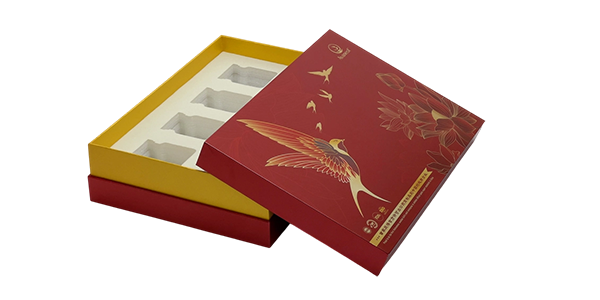
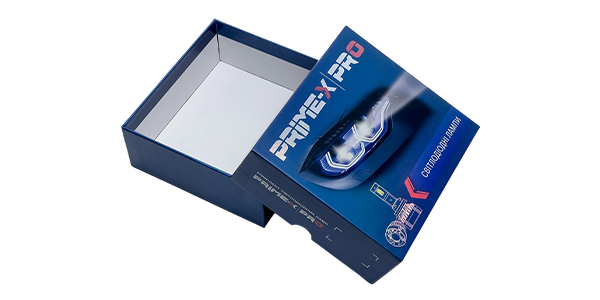
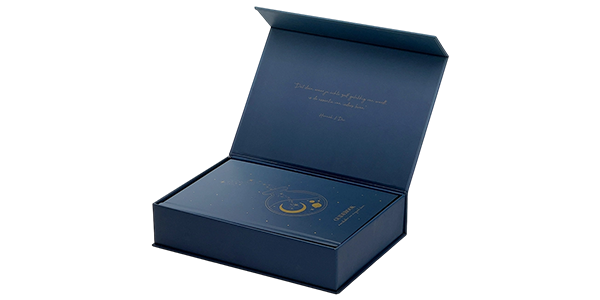
For brands, high-quality gift boxes are not just product carriers but also key to conveying brand tone—2025 e-commerce industry reports show that customized gift boxes can increase product repurchase rates by 32%. However, many businesses easily fall into the misunderstanding of “only focusing on appearance” during customization; in fact, a scientific customization process needs to cover all links. Below are the detailed methods for packaging manufacturers to customize gift boxes.
2. 4 Core Stages of Gift Box Customization (with 2025 Latest Standards)
Stage 1: Demand Communication & Confirmation – Key to Avoiding Later Rework
This step is the foundation of customization. Many manufacturers have to modify samples more than 3 times due to insufficient communication, extending the delivery cycle.
- Clarify Core Needs: Confirm 4 key pieces of information with customers (Table 1), and proactively ask “whether logistics transportation adaptation is needed” (e.g., fragile products require additional shock-absorbing foam);
- Provide Professional Advice: Combined with the 2025 environmental trend, recommend degradable materials (such as corn starch-based cardboard). If the customer has a limited budget, suggest using “partial gold stamping” instead of “full-box gold stamping,” which reduces costs by 20% while maintaining texture.
Table 1: 2025 Gift Box Customization Demand Communication List
| Demand Category | Key Information to Confirm | Industry Reference Standard |
| Basic Parameters | Size (L×W×H), Quantity (≥500 pieces for wholesale price) | Error ≤2mm, free sampling fee for quantity ≥1000 pieces |
| Material Selection | White cardboard (commonly used), kraft paper (eco-friendly), specialty paper | Thickness ≥250g to prevent deformation |
| Process Requirements | Laminating (glossy/matte film), gold stamping (gold/silver/laser) | Gold stamping area ≤30% for a more refined look |
| Delivery Time | Reserve 3-5 days of buffer time (to deal with unexpected process issues) | 7-15 days delivery for regular orders |
Stage 2: Design & Prototyping – Visual Verification of Effects
- Design Principles: Balance aesthetics and practicality (e.g., box lid closure ≥90% to avoid easy falling off). The 2025 trend is “minimalism + prominent brand logo” to reduce redundant patterns;
- Prototyping Process: First, create a flat design → customer confirmation → produce physical samples (3-5 days). Samples should be marked with “material and process number” for customers to compare and confirm.
Thought: Why can’t prototype confirmation be skipped? In 2025, a food brand skipped the prototype stage and found that “the printing color of the box body deviated from the brand color by 15%” after mass production, resulting in a direct loss of 20,000 yuan in production costs.
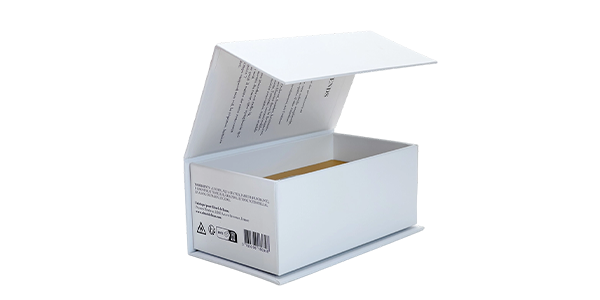
Stage 3: Production & Processing – Control Details to Improve Quality
- Material Procurement: Prioritize FSC-certified eco-friendly paper (customer demand for eco-friendly materials increased by 45% in 2025);
- Core Process Handling (listed for clarity):
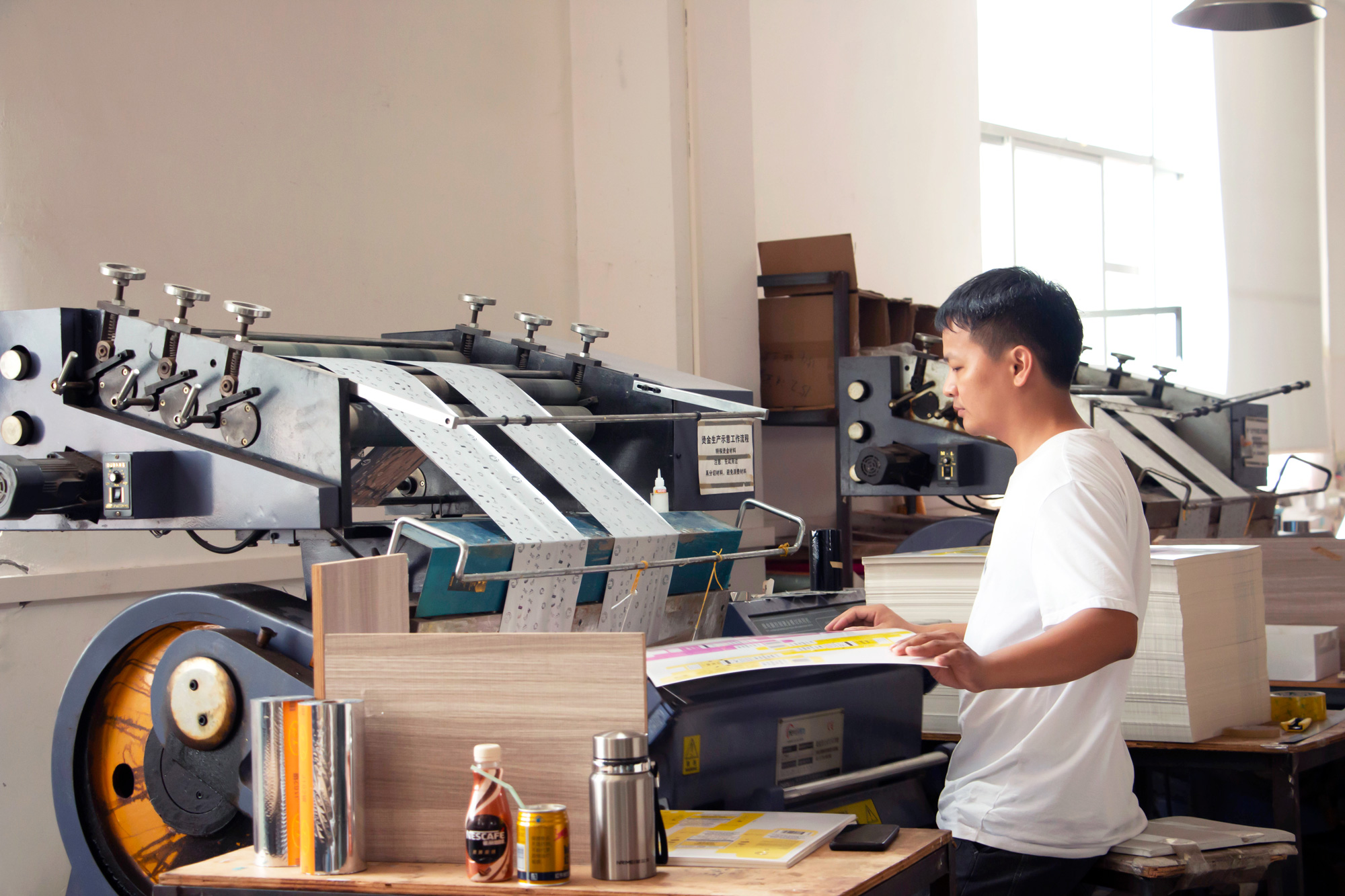
✅ Printing: Use UV printing (more vivid colors, friction-resistant) with color difference ≤ΔE2.0 (industry qualification standard);
✅ Die-cutting: Use CNC die-cutting machines for smooth, burr-free cuts;
✅ Assembly: Combine manual and machine work to ensure firm box bonding (bonded area can bear ≥5kg without falling off).
Stage 4: Quality Inspection & Delivery – Ensure Final Effects
- Inspection Standards (updated 2025):
① Appearance: No scratches, no bubbles, printing pattern alignment ≥98%;
② Structure: No box deformation, smooth opening and closing;
③ Sampling Inspection: Randomly sample 5% of samples per batch; delivery is normal if the unqualified rate ≤1%;
- Delivery Guarantee: Pack with corrugated cartons (to prevent transportation extrusion) and attach a “quality inspection report” for customer acceptance.
3. Frequently Asked Questions (Q&A)
Q1: Is small-batch customization (e.g., 100 pieces) supported for gift boxes?
A1: Yes, but a small batch (100-500 pieces) requires an additional 300 yuan sampling fee. For quantities ≥500 pieces, the sampling fee is waived. It is recommended to estimate the quantity based on sales volume to reduce costs.
Q2: If unsatisfied with the finished product, how will the manufacturer handle it?
A2: If it is due to the manufacturer’s reasons (e.g., inconsistent materials, process errors), free re-production is available; if it is due to changes in customer needs, part of the cost (such as the cost of printed materials) needs to be borne through negotiation.