
 English
 简体中文
简体中文 Español
 Français
 Deutsch
 Русский
 Português
 Italiano
 日本语
日本语 한국어
한국어 العربية
 Türkçe
 Tiếng Việt
 ไทย
ไทย Indonesia
 Melayu
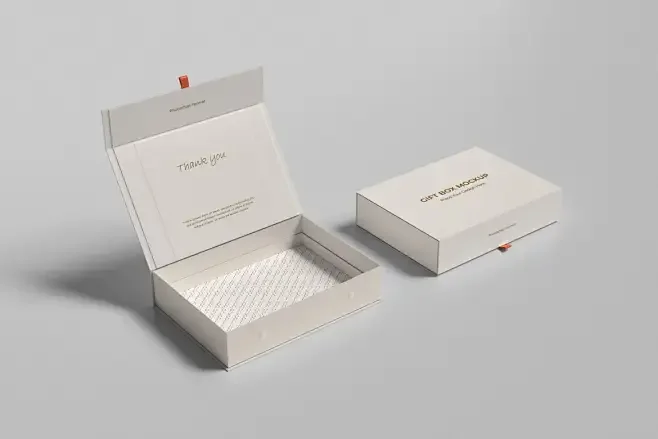
You design a flawless, premium luxury box. It snaps shut perfectly in your office. But when the customer opens the shipping carton, the lid is wide open. The product inside shifted, scratched, or broke.
This hidden loss cuts into profits and damages brand reputation. In fact, internal 2026 data from Shengcai Packaging shows that standard magnetic gift boxes suffer up to a 22% lid-opening failure rate during long-distance transit.
Many designers try to fix this by buying stronger, thicker magnets. However, heavy magnets distort the paper, create ugly bumps, and increase shipping weight. The real issue isn’t weak magnets. It is a mix of material memory, poor alignment, and moving forces during shipping.
3 Hidden Reasons Why Magnetic Boxes Pop Open
Static warehouse storage is easy. Dynamic transit is where packaging fails. Three main factors destroy the seal during shipping:
- Paperboard Bounce Back (Material Memory): Premium boxes use heavy greyboard wrapped in specialty paper. These materials absorb moisture and naturally want to flatten back out. This creates a constant outward push against the lid.
- Side-to-Side Shearing Force: Magnets excel at resisting straight, vertical pulls. However, shipping vibrations shake the box sideways. This horizontal shear force slashes magnetic hold by 75% to 80% instantly.
- Magnet Misalignment: Mass production can cause slight shifts in magnet placement. When you add high truck temperatures and constant friction, the magnets lose even more grip.
How 3 Generations of Box Design Compare
Packaging engineers have tried various ways to solve transit openings. Here is how the three main methods stack up based on 2026 industry standards:
| Design Generation | Core Technique | Main Weakness | Best For | Stability Score |
| 1st Gen: Over-sized Magnets | Uses thick, high-Gauss Neodymium magnets. | Increases weight; creates surface bumps; fails against side-to-side shaking. | Short-distance transit or static displays. | 5.5 / 10 |
| 2nd Gen: Double-Sided Tape | Adds strong adhesive tape inside the lid flap. | Ruins the unboxing experience; destroys the box for reuse; leaves sticky glue residue. | Single-use holiday boxes without reuse needs. | 7.0 / 10 |
| 3rd Gen: Dual Magnets + Physical Steps | Matches N-S magnets perfectly and adds a recessed locking ledge. | Requires precise early-stage structural adjustments. | Premium cosmetics, jewelry, and luxury watches. | 9.8 / 10 |
The Shengcai 4-Step Structural Optimization Guide
Shengcai Packaging relies on 25 years of luxury box manufacturing to solve this issue permanently. We optimize the physical structure instead of just buying bigger magnets.
- [Step 1: Recessed Stepped Ledge] —> Stops horizontal shifting & shear force
- [Step 2: N-S Dual Magnet Alignment] -> Doubles clamping force over steel plates
- [Step 3: Material Data Matching] —-> Calibrates magnet Gauss to paperboard tension
- [Step 4: Simulated Transit Testing] -> Validates the box under real-world stress
1. Integrate Physical Stopping Ledges
We cut a precise, stepped groove where the flap meets the box body. This mechanical lock stops all side-to-side movement during transit. By neutralizing shear forces, the magnets only have to fight the paper’s upward bounce.
2. Implement N-S Dual Magnet Alignment
Stop pairing a magnet with a cheap iron washer. We embed two active magnets with perfectly aligned North and South poles. This dual-magnet setup boosts closing stability by over 40% without increasing box thickness.
3. Match Gauss to Paperboard Tension
We calculate magnet strength based on your specific paper weight, box size, and material elasticity. For eco-friendly FSC recycled papers—which hold more moisture and bounce back harder—we use wider, flatter magnets to distribute the hold.
4. Run Rigorous Stress Tests
Before mass production, we put your prototypes through drop tests, high-frequency vibration tables, and environmental humidity chambers. We catch and fix structural weak spots before they leave our 15,000 m² facility.
FAQ for Packaging Engineers
Why do samples close perfectly but mass orders fail in transit?
Workers craft samples slowly by hand, giving the paper plenty of time to dry and set. Mass production moves much faster, leaving slight variances in paperboard tension. Combined with truck vibrations, these minor differences cause bulk shipments to pop open.
How do we secure thin, folding magnetic boxes without raising costs?
Do not buy bigger magnets. Instead, shorten the flip lid width to reduce leverage. Pair this with a shallow locking ridge and low-elasticity liner paper to keep the box secure on a budget.
Do eco-friendly materials make magnetic boxes less stable?
Yes, because recycled fiber and FSC materials absorb moisture faster, which increases outward warp. We fix this by using small, highly uniform dual magnets paired with wider structural locking channels.
Will the magnets lose their grip during long journeys?
Cheap magnets degrade by 20% to 40% in hot cargo containers. We use nickel-plated NdFeB magnets that resist heat and vibration. We also flush-mount them so they never rub together directly, ensuring a permanent snap.
Protect Your Unboxing Experience
Secure magnetic gift boxes require a precise mix of material engineering and smart structural design. Heavy, oversized magnets only mask the problem while warping your packaging.
Shengcai Packaging employs over 200 skilled specialists to design, test, and manufacture high-end packaging that survives rough shipping. Contact our team today to get a structural blueprint and sample for your next product launch.