
 English
 简体中文
简体中文 Español
 Français
 Deutsch
 Русский
 Português
 Italiano
 日本语
日本语 한국어
한국어 العربية
 Türkçe
 Tiếng Việt
 ไทย
ไทย Indonesia
 Melayu
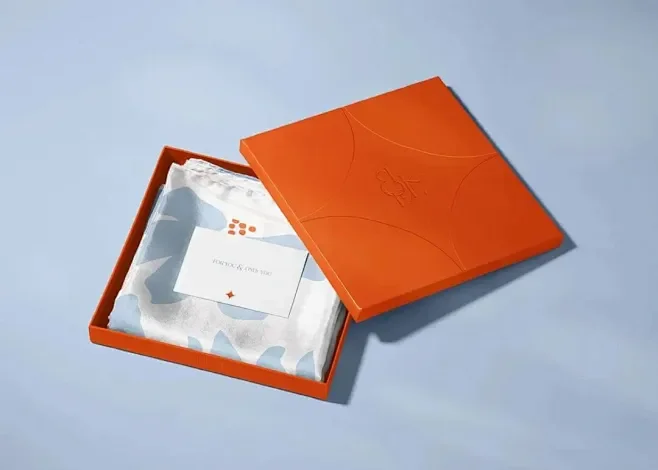
Many premium clothing brands face a frustrating problem. They pack clean, dry clothes into beautiful, custom garment gift boxes. Yet, when customers open these boxes after shipping, they notice a stale, musty smell.
Most brand managers think airtight packaging protects clothes best. However, completely sealed boxes actually trap moisture and cause mold. Data shows that traditional sealed boxes lead to a 2% to 5% product loss rate. Cleaning, repackaging, and replacing these damaged items costs far more than the packaging itself.
Why Sealed Boxes Grow Mold
Premium fabrics like cotton, linen, silk, and wool naturally hold moisture. Even after drying, these fibers slowly release tiny amounts of water vapor. At the same time, box glues and inks contain organic ingredients like starch and protein, which feed mold spores.
Temperature changes during transit trigger the dew point effect inside the box. When warm air cools down rapidly, trapped water vapor condenses into invisible water droplets. Without proper airflow, this moisture builds up and pushes relative humidity above 90%.
This dark, humid environment turns the sealed box into a mold incubator. Spores multiply within 24 hours, trapping bad odors inside the fabric fibers. Removing the outer plastic bag later does not fix the issue because the core packaging lacks proper ventilation.
Traditional Sealed Packaging VS. Vented Gift Boxes
The table below highlights how packaging design impacts airflow, protection, and product safety.
| Feature | Traditional Sealed Box | Vented Garment Gift Box |
| Internal Airflow | None. Moisture stays trapped in a destructive loop. | Active. Precision vents release moisture continuously. |
| Moisture Protection | Blocks outside wetness but traps internal moisture. | Two-way protection. Blocks outside dust and releases inside vapor. |
| Defect Rate | Up to 3% damage from mold and odors in changing climates. | Keeps defect rates under 0.1% due to stable humidity. |
| Shipping & Storage | Works only for short-term, stable indoor storage. | Ideal for premium retail gifts, long-term storage, and sea freight. |
| Material Safety | Safe for synthetics, but damages high-end natural fibers. | Safely protects cotton, linen, silk, and cashmere. |
How to Fix the Problem: The 4-Step Solution
Shengcai leverages 25 years of packaging experience to solve this moisture issue. We use a four-step system to keep premium garment boxes fresh and dry.
1. Precision Vent Hole Matrix
Instead of punching random holes, engineers calculate the exact vent area needed. We base this on box size, internal volume, and fabric type. Laser-cut micro-vents allow moisture to escape without ruining the box design or letting dust inside.
2. Breathable Composite Materials
Replace solid cardboard and plastic laminates with breathable alternatives. Micro-porous non-woven linings or bio-degradable breathable coatings allow one-way moisture escape. These materials also carry FSC eco-friendly certification to match sustainable brand values.
3. Strategic Anti-Mold Additives
Avoid tossing random desiccant packs into the box. Match the anti-mold stickers and high-absorption desiccant packs to the specific fabric type. This balances the internal humidity and starches out mold growth conditions.
4. Factory Humidity Control
Control the water content of glues and inks during manufacturing. Run the finished boxes through low-temperature, long-cycle drying ovens. This eliminates residual manufacturing moisture before final assembly.
Frequently Asked Questions
Q1: Can we punch holes in finished, sealed boxes?
Avoid manual drilling on completed boxes. Manual holes look messy, tear the laminated film, and ruin the print quality. Always integrate the venting structure during the initial 3D design and sampling phase.
Q2: Do vent holes let dust and outside moisture ruin the clothes?
No. Professional vented boxes use layered micro-vents paired with high-density inner linings. These openings let water molecules escape but block larger dust particles. The dynamic airflow pushes air out, preventing external moisture from rushing inside.
Q3: Do different fabrics need different venting designs?
Yes. Natural fibers like wool and silk absorb more water, so they require larger vent patterns and extra desiccants. Synthetic polyesters need less ventilation. Customizing the box to the fabric ensures the best protection.
Q4: If clothes smell musty, is it a fabric defect or a packaging issue?
The packaging environment usually causes the smell. If your factory dries and inspects the clothes properly, the fabric itself is clean. The musty odor comes from trapped moisture reacting with box adhesives. Adding vents solves this completely.
Premium garment packaging requires balanced protection, not complete isolation. Total sealing traps water and hurts your brand’s reputation. Shengcai operates a 15,000-square-meter modern facility to craft custom packaging solutions. Contact our design team today for free structural blueprints and samples tailored to your apparel line.