
 English
 简体中文
简体中文 Español
 Français
 Deutsch
 Русский
 Português
 Italiano
 日本语
日本语 한국어
한국어 العربية
 Türkçe
 Tiếng Việt
 ไทย
ไทย Indonesia
 Melayu
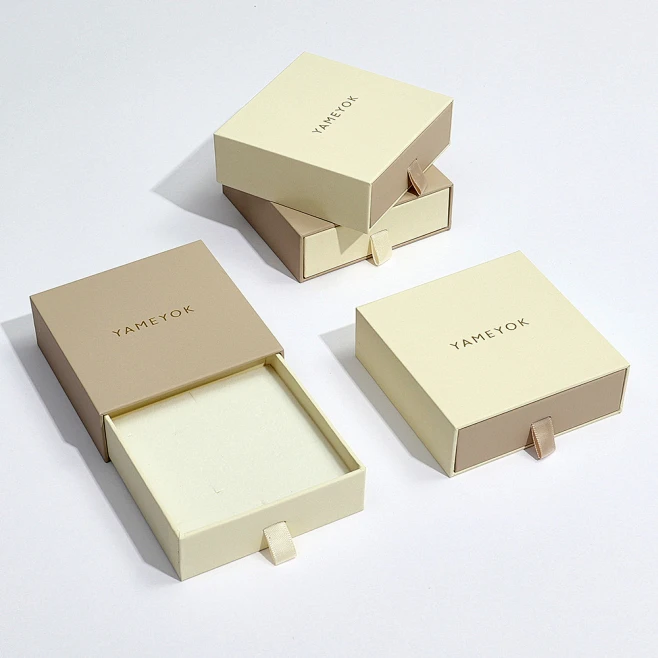
Brands that source Premium Gift Boxes for luxury skincare and makeup lines often encounter a hidden, costly flaw: creamy white ceramic serum bottles and matte cosmetic palettes arrive yellowed, dulled, or coated in fine dust after weeks of sealed transit. These visible defects erode perceived product value, trigger customer quality concerns, and drive up return rates and long-term brand reputation damage.
Most brands first blame coating production errors when they spot this issue, reworking spray formulas and switching suppliers only to see the problem persist. Few suspect the box insert at first — how could soft flocked fabric or sturdy EVA trays damage a smooth, polished bottle surface? In reality, the sealed environment of long-haul shipping amplifies even minor material defects in internal packaging.
Inside closed freight containers, summer temperatures can peak above 65°C with relative humidity consistently above 85%, essentially subjecting every component inside the gift box to weeks of accelerated aging. Two primary failure mechanisms emerge under these conditions.
The first is chemical color migration. Budget flocked EVA inserts typically use cheap direct dyes and standard water-based pressure-sensitive adhesive. They appear perfectly stable at room temperature, but once ambient temperatures rise above 40°C, plasticizers in the adhesive carry dye molecules steadily outward. When these molecules meet porous acrylic or coated bottle surfaces, they seep into the coating and cause irreversible yellowing or faint discoloration spots. White, nude pink and other low-saturation bottle finishes show even the slightest color shift clearly, often rendering entire batches unsellable.
The second issue is electrostatic dust attraction. Standard EVA and PS blister inserts are highly insulating materials. As shipments jostle continuously during transit, repeated friction between the insert and product builds up static charge with no discharge path, reaching surface voltages of up to tens of thousands of volts. The insert acts like an invisible magnet, pulling fine dust, paper fibers and lint onto bottle surfaces and makeup pans. Powder products such as eyeshadow and highlighter are nearly impossible to clean once contaminated, usually resulting in full unit discard.
Comparison of 4 Types of Gift Box Inserts
We ran extended simulated ocean transit tests with a materials lab to measure real-world performance across four mainstream insert materials:
| Insert Material Type | Color Migration Risk (60°C / 72h) | Static Attraction Level | Compliance Certifications | Ideal Product Lines | Recyclability |
|---|---|---|---|---|---|
| Standard Flocked EVA Insert | Extremely high, visible dye transfer | Strong (>8000V static charge) | No dedicated eco-certification | Budget personal care | Non-recyclable |
| Regular Paper Blister Tray | Moderate, slight bleed in high humidity | Medium (2000–5000V) | Basic food-contact standard | Mass-market skincare | Partially recyclable |
| Anti-Migration Eco Velvet Liner | Very low, no visible dye transfer | Weak (<1000V with coating) | REACH, RoHS, FSC certified | Premium skincare & makeup | Biodegradable fabric |
| ESD Anti-Static Molded Pulp Insert | Virtually zero, no dye leaching | Very low (10⁹–10¹¹Ω resistivity) | FSC, compostable, ISO 9001 controlled | Eco-focused beauty & fragrance | 100% recyclable & compostable |
Fixing these issues at the source requires targeted material upgrades, not simply purchasing a more expensive insert. Based on over two decades of custom packaging implementation, two proven upgrade paths are available to match different brand positioning and budget requirements.
The first path is upgrading to anti-migration velvet gift box liners. Many assume all flocked and velvet fabrics perform similarly, but differences in base fabric, dyeing process and adhesive type create dramatically different real-world results. Premium eco-velvet uses disperse dyes with high-temperature fixation and low-VOC hot-melt adhesive. Every batch of fabric undergoes 72 hours of pressurized aging testing at 60°C to guarantee zero dye leaching under hot, humid conditions. All fabrics hold REACH and RoHS certifications to meet EU chemical control standards, paired with FSC-certified base cardstock to align with sustainable packaging goals. For luxury-tier product lines, an optional anti-static surface coating can be applied without dulling the velvet’s matte finish or soft hand feel, delivering both premium texture and reliable dust protection.
The second path is ESD anti-static molded pulp inserts, the leading choice for sustainability-focused brands today. Formed from FSC-certified virgin wood pulp in a single molding process with no additional dyes or industrial adhesives, these inserts eliminate color migration risk entirely. The surface is treated with anti-static agent via impregnation, maintaining a stable surface resistivity that dissipates friction-generated charge safely without interfering with electronic components — even skincare devices with massage heads or LED makeup palettes work safely with this material. Molded pulp can be precision-formed to match exact bottle curves, delivering the same snug fit and shock protection as EVA for long-haul transit. All production follows ISO 9001 quality management system standards for consistent batch-to-batch performance.
How to Inspect Insert Samples Quickly
Before sending samples to a formal lab, you can run a quick initial quality check with three simple steps:
- The Rub Test: Rub the insert surface firmly. High-quality fabric will not shed fibers or leave any pigment residue on your fingers
- The Odor Test: Smell the material closely. Properly made eco-friendly inserts carry only a faint, natural raw material scent — never a harsh, pungent chemical adhesive odor
- The Report Check: Request up-to-date test reports for the specific batch, verifying three core metrics: high-temperature color migration resistance, anti-static performance, and eco-compliance
Packaging Quality Control FAQ
Q: During prototype development, how can I quickly test for color migration without specialized lab equipment?
A: Wrap the insert sample tightly in pure white cotton cloth, seal it in a bag, place a 1kg weight on top, and leave it in a warm, sunlit area or near a constant-temperature heater for 24 hours. Any dye stain visible on the white cloth indicates a high color migration risk during transit, making the insert unsuitable for light-colored packaging.
Q: Molded pulp inserts feel fairly firm — will they scratch matte coated bottle surfaces?
A: No. Food-grade molded pulp receives a fine calendering treatment, leaving a smooth surface free of burrs or hard particles where it contacts the product. When developing luxury cosmetic gift box customization projects, we also offer an optional ultra-thin food-grade PE film layer for extra scratch protection on highly sensitive coating finishes.
Q: Does anti-static coating wear off halfway through the shipping journey?
A: Standard surface-applied anti-static coatings maintain performance for 12+ months under normal storage and transit conditions. For built-in compound anti-static materials, performance lasts the full service life of the product. All anti-static inserts come with performance test documentation covering the full expected transit window.
Q: Will upgrading inserts significantly increase overall gift box costs?
A: Compared to the cost of full batch write-offs and product returns, insert upgrades represent a very modest investment. We match brands to the most cost-effective material solutions based on their budget and requirements, solving core issues while keeping overall spending controlled.
Many brands focus nearly all their design effort on outer box printing and visual appeal, overlooking the insert — the component that touches the product directly — and end up failing at the final mile of delivery. A truly well-made set of Premium Gift Boxes is about more than just good looks. It needs to survive long-haul transit and deliver products to customers in pristine, factory-fresh condition.
As a direct custom packaging manufacturer with 25 years of industry experience, Shengcai operates an in-house design team and on-site materials lab, with all production processes certified under ISO 9001 quality management standards. We have delivered over 10,000 successful packaging projects for brands worldwide. If you are struggling with insert dye transfer or dust buildup, or developing a new gift box line that balances luxury, protection and sustainability, reach out to us for custom sampling services. We guide you through material selection, structural prototyping and full production, helping you avoid the hidden pitfalls of transit packaging from start to finish.