
 English
 简体中文
简体中文 Español
 Français
 Deutsch
 Русский
 Português
 Italiano
 日本语
日本语 한국어
한국어 العربية
 Türkçe
 Tiếng Việt
 ไทย
ไทย Indonesia
 Melayu
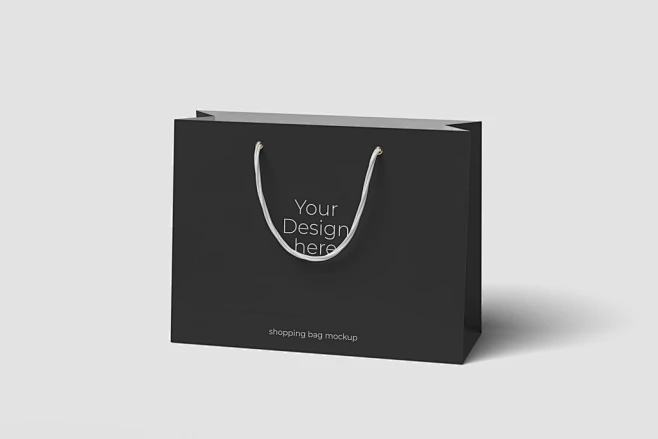
1. Why Dark Matte Paper Bags Become Retail Fingerprint Collectors
In physical cosmetic and luxury accessory stores, low-saturation matte black soft-touch paper bags have replaced glossy packaging as mainstream choices for brand upgrading in recent years. However, nearly all displayed bags will show identical defects within 3 retail days: silvery fingerprint marks appear after one single fingertip touch, and wiping only leaves irreversible matte whitening scratches.
Most procurement staff confuse stain logic between glossy and matte packaging. Glossy paper covers micro oil stains via surface reflection, while dark matte paper exposes open micro pores. Triglycerides in human sebum penetrate these pores directly. Under standard retail humidity (58%-65% RH), oil adhesion rate reaches 72% for hands coated with moisturizing hand cream, compared with only 19% for dry hands. Must brands sacrifice premium matte texture to avoid stains? The answer is negative.
Conventional remedial measures have inherent flaws. Alcohol wipes dissolve matte coating layers, and microfiber cloths damage paper fiber structures after repeated rubbing, both causing permanent visual degradation incompatible with long-term shelf display.
2. Multi-Dimensional Quantitative Test of Three Surface Finishing Technologies
With 22 years of custom dark paper packaging experience, I confirm that 90% of texture and anti-smudge conflicts stem from lamination selection rather than base paper quality. The three mainstream finishing technologies adopt totally different hydrophobic mechanisms. Standard soft-touch films only apply physical matte embossing without hydrophobic molecules. Spray-coated anti-fingerprint coatings suffer from weak molecular adhesion by wet post-processing. The new high-transparency thermal-pressed anti-fingerprint soft-touch films adopt pre-film nano-etching to form pyramid micro-protrusions, blocking oil spreading structurally.
2026 Shengcai ASTM-Aligned Process Performance Test Chart
Test benchmark: FSC-certified 250gsm solid black soft-touch base paper, 23℃ ambient temperature, 55% RH. All tests comply with ASTM D4914 textile-rub resistance standards, based on 30 consecutive bulk random inspections.
| Surface Finishing Process | Oil Resistance Grade (1-5, Grade 5=Optimal) | Rub Resistance Cycles | Oil Contact Angle | Original Tactile Retention Rate | Cross-Cut Adhesion Result |
|---|---|---|---|---|---|
| Conventional Soft-Touch Film | Grade 2 (permanent stain, non-repairable) | 3200 | 62° | 82% (dry and rigid tactile) | Fair, edge peeling under heavy stacking |
| Spray-On Anti-Fingerprint Coating | Grade 4 (valid for 7 days only, performance attenuation afterward) | 2100 | 101° | 65% (stiff surface, no velvet touch) | Poor, 18% cross-cut peeling rate |
| New Anti-Fingerprint Soft-Touch Film | Grade 5 (24-month indoor long-term validity) | 5800 | 118° | 96% (zero deviation from native velvet texture) | Excellent, 0.2% cross-cut peeling rate |
3. Pre-Inspection for Four High-Risk Stain Scenarios
Based on 12 months of retail shelf tracking data, paper bag stains occur in fixed circulation nodes with low-cost intervention solutions:
- Counter Checkout Circulation: Mixed oil and cosmetic powder residues from customer hands leave central front stains, accounting for 61% of total retail bag defects
- Warehouse Stacking Storage: Hidden sweat penetrates paper gaps under extrusion when warehouse RH exceeds 62%, forming irreversible yellow halo stains after 15 days of storage
- Peak Hour Handling: Frequent staff grabbing causes continuous fingerprint coverage on side gussets with no cleaning solution available
- Window Display Under UV Light: Low-visibility shallow fingerprints oxidize and become visible after 30 days of continuous ultraviolet exposure
4. Inbound IQC Standard SOP: On-Site Inspection for dark matte paper bag sebum stain resistance
This equipment-free SOP is officially released by Shengcai for procurement IQC random inspection and on-site quality audit, with quantified pass criteria for procurement contract annexation.
Step 1: Tactile Homogeneity Inspection (30 seconds)
Randomly select 5 samples from separate shipping cartons. Pass standard: uniform velvet touch across front and gussets; Fail standard: partial rigid texture indicates unbalanced adhesive proportion, leading to later peeling risks.
Step 2: Artificial Sebum Hydrophobic Test (2 minutes)
Drop 3 5mm water-based hand cream oil spots to simulate human sebum. Pass standard: oil spots shrink into spherical droplets without lateral spreading; Fail standard: rapid oil penetration into paper fibers.
Step 3: Single Non-Abrasive Wiping Test (10 seconds)
Wipe oil spots once with lint-free tissue without repeated rubbing. Pass standard: complete stain removal without surface whitening; Fail standard: residual oil marks or matte coating abrasion.
Step 4: Gusset Fatigue Bending Test (1 minute)
Bend paper bag gussets back and forth 12 times continuously. Pass standard: zero edge delamination; Fail standard: over 0.5mm film separation, which causes mass peeling during long-distance logistics.
5. Post-Print Compatibility and Long-Term Storage Queries
Q1: Can hot stamping, embossing and spot UV be processed after anti-fingerprint soft-touch lamination?
A: Fully compatible. Shengcai customized thermal-pressed films maintain stable dyne levels between 38-40 dynes, matching 98% of water-based inks and hot stamping foils. No parameter adjustment is required for post-processing, with no damage to hydrophobic performance or printing defects. Only low-cost imported films below 35 dynes cause compatibility failures.
Q2: Are these anti-smudge bags suitable for humid retail spaces and rainy daily carrying?
A: Adaptable for indoor humid environments below 70% RH. The nano-micropore film blocks water vapor penetration. Long-term direct rain soaking is not supported, as base paper water absorption deformation is an inherent limitation of paper substrates, which cannot be solved by lamination.
Q3: What paper weights fit anti-fingerprint lamination for matte black specialty paper bags?
A: Standard compatibility covers 250gsm to 450gsm flat black cardboard and textured soft-touch paper. For ultra-thin paper below 200gsm, roller temperature needs to be reduced by 4℃ to avoid thermal shrinkage curling during mass production.
Q4: Will laminated films yellow during long-term storage and window display?
A: No yellowing within 24 months under indoor ambient light. The film contains benzotriazole UV inhibitors and passes 72-hour accelerated UV aging tests. For warehouse storage, ambient temperature should be controlled below 30℃ to avoid slow adhesive yellowing under high temperature.
6. Conclusion
Most brands prioritize visible craftsmanship such as hot stamping and embossing while ignoring micro-level stain degradation. Consumer premium brand perception largely depends on tactile experience and long-distance display effects. Trivial fingerprint smudges weaken luxury brand cognition silently.
With 25 years of full-chain specialty paper packaging experience, Shengcai controls the whole workflow including base paper screening, customized film formulation, thermal pressure debugging and pre-shipment full inspection. We provide tailored hydrophobic ratio adjustment based on client display illumination, warehouse humidity and daily circulation volume, ensuring stable native matte cleanliness throughout the 24-month service life of customized paper bags.