
 English
 简体中文
简体中文 Español
 Français
 Deutsch
 Русский
 Português
 Italiano
 日本语
日本语 한국어
한국어 العربية
 Türkçe
 Tiếng Việt
 ไทย
ไทย Indonesia
 Melayu
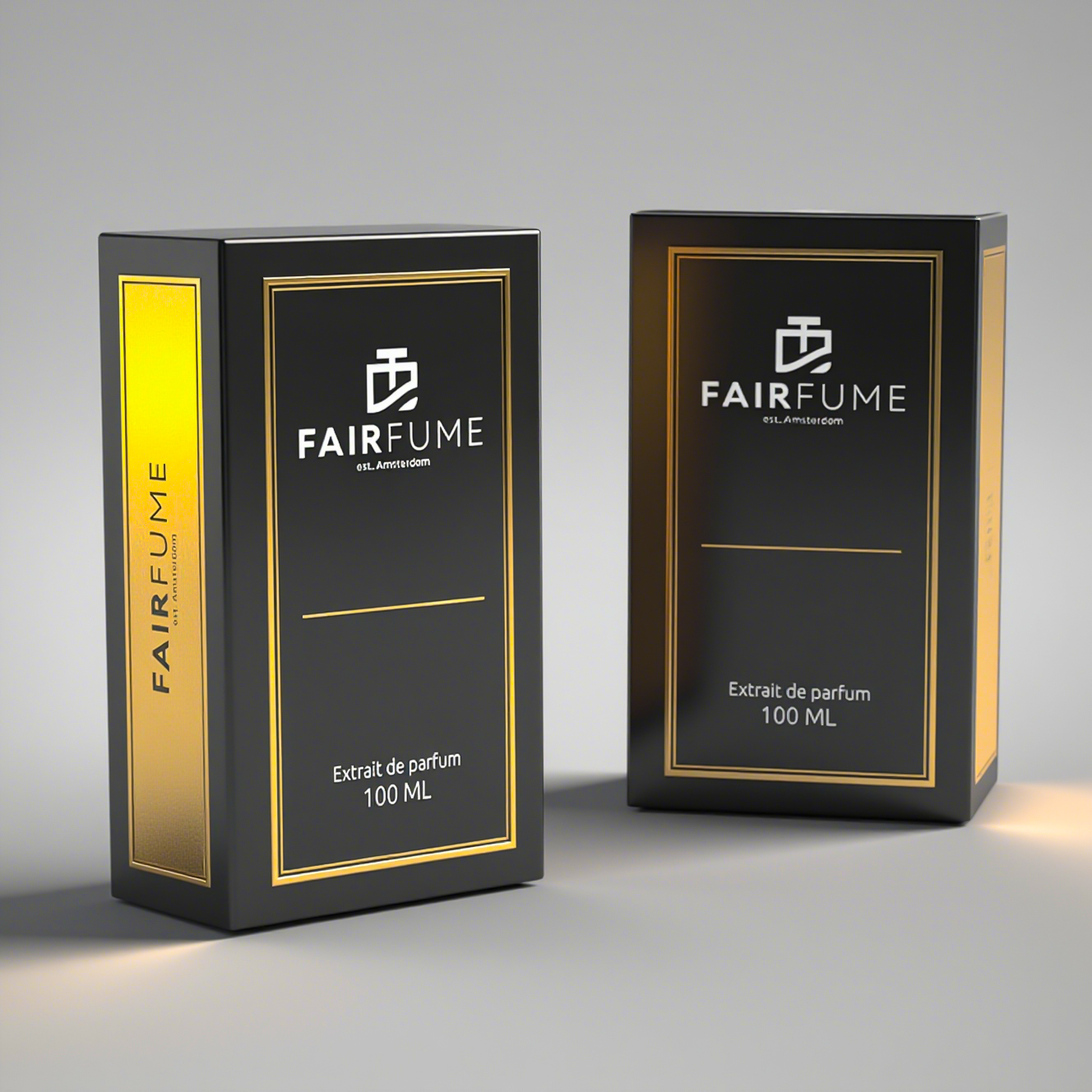
Fragrance Packaging is never an accessory to fragrance products, but the core line of defense to protect a brand’s aroma reputation and product quality. What you may not have noticed is that nearly 60% of fragrance product complaints on the market are related to the hidden chemical interactions between the packaging and the perfume — off-notes in the top notes of unopened perfume, localized yellowing of white gift boxes within six months, and material odors in limited-edition boxes after storage. The root causes of these problems are hidden in the invisible box liners and material selection.
Honestly, many brands focus solely on the visual impact of the appearance when creating fragrance gift boxes, but ignore the most core logic: the core components of perfume are inherently highly active volatile substances. Ethanol accounts for 60% to 90% of the formula, paired with core aroma components such as aldehydes, esters, and terpenes. Even with a perfectly sealed perfume bottle, trace molecules will continue to volatilize, causing invisible chemical reactions with the box body, liners, and adhesives. Interestingly, perfumes with different fragrance notes have significantly different risks of reacting with the packaging — the highly active aldehydes in citrus notes are more likely to blend with VOCs from low-quality glues to produce off-notes; the phenolic substances in woody notes will greatly accelerate the oxidative yellowing of paper fibers; and the high-concentration essential oil components in oriental notes can even dissolve the surface coating of ordinary inner trays, causing material bleeding and stickiness.
Why Does Perfume Packaging Cause Discoloration and Off-Odors? 3 Core Chemical Triggers Explained
- Two-way penetration of ethanol molecules: Continuously volatilized ethanol molecules, on the one hand, penetrate the surface coating of the paper, go deep into the interior of the fibers and undergo oxidation reactions with lignin, which is the core culprit of box yellowing. On the other hand, it will dissolve small molecule plasticizers and solvents in the liners and glues, and carry these impurities back into the perfume bottle nozzle, directly destroying the original fragrance balance of the perfume.
- Continuous VOCs release from non-compliant materials: EVA inner trays, low-density sponges, and oil-based composite glues that have not passed the safety certification for fragrance contact will continue to release volatile organic compounds throughout the 12-24 month product sales cycle. These substances will flow continuously with the air pressure cycle inside and outside the bottle, and even if only one part per million concentration seeps into the perfume body, it will make the top notes of the perfume lose their original freshness, and even produce pungent chemical odors.
- Material degradation accelerated by extreme environments: High and low temperature cycles and high humidity environments during warehousing and transportation will increase the degradation rate of packaging materials by 3-5 times. Many products pass routine inspections when they leave the factory, but have batch complaints after shipping and warehousing. This is because ordinary packaging has not been targeted stabilization treatment, and fluctuations in temperature and humidity will cause coating cracking and adhesive layer debonding, further intensifying the two-way exchange of chemical substances.
| Packaging Material Solution | Ethanol Barrier Grade | Odor Risk (VOCs) | Anti-Yellowing Cycle (Months) | Compliance Standards (2026) |
|---|---|---|---|---|
| Low-grade Uncoated EVA | Very Low (★) | Extremely High (Severely disrupts top notes) | < 3 months | Non-compliant with IFRA/REACH |
| Ordinary White Cardboard + Oil-based Glue | Medium (★★) | Medium (Risk of glue overflow) | 6 – 8 months | Partially Compliant |
| FSC Food-grade Paper + Water-based Coating | High (★★★★) | Very Low | 18 – 24 months | Fully Compliant with FDA/REACH |
| Medical-grade Microfiber + Eco-friendly Paper Tray | Extremely High (★★★★★) | Close to 0 | > 36 months | Fully Compliant with IFRA/FDA/REACH |
You may ask, why are high-end fragrance brands all focusing on perfume packaging anti-yellowing technology? To put it bluntly, the core premium of fragrance products comes from the consistency of the brand experience. Localized yellowing of limited-edition gift boxes will not only make consumers question the authenticity and shelf life of the product, but also directly lower the high-end positioning that the brand has precipitated for a long time. The truly effective anti-yellowing measure is never to add a layer of concealer printing coating on the paper surface, but the full-link control from the barrier structure design of the liner, the pre-treatment modification of raw materials, to the adhesive selection, cutting off the occurrence conditions of oxidation reactions from the root.
In Shengcai’s custom solutions, for Extrait de Parfum with high concentration essential oils (over 20%), we recommend abandoning all glue-bonded structures and adopting an integrated folded inner card structure to completely eliminate chemical interference from adhesive overflow.
To completely neutralize the chemical interaction between perfume and box liners, custom perfume packaging barrier coating is the most stable solution verified in the industry at present. At Shengcai, we use food-grade nano-scale barrier materials, and carry out precise spraying only on the inner contact surface of the carton and the liner, forming a dense, invisible protective film. This film can completely block the penetration of ethanol molecules into the paper fibers, eliminating the yellowing problem from the root, and also firmly lock the volatile substances in the liner and adhesive layer to prevent them from reverse contaminating the perfume body. More importantly, this process will not affect the printing and process presentation of the outer surface of the gift box at all. Whether it is hot stamping, embossing, drip off UV or local matte finish, it can achieve a color reproduction rate of ≥98%, perfectly landing the brand’s design creativity.
Perhaps you are wondering, how to confirm that a Fragrance Packaging can really achieve long-term chemical neutrality? Our answer is to replace empirical judgment with standardized laboratory testing. Before each customized solution is implemented, we will first complete two core tests: one is the high and low temperature cycle aging test, which is continuously tested for 14 days in a cycle temperature of -20℃ to 60℃ and a constant humidity environment of 75%, simulating the material changes of 12 months in a normal storage environment; the second is fragrance packaging gas chromatography compatibility test, which uses professional equipment to accurately detect whether harmful substance exchange has occurred between the packaging material and the perfume before and after the test. Only when both tests pass the standard, we will enter the proofing and mass production link to ensure that the product can maintain stable chemical inertness throughout the complete sales cycle.
According to the needs of different brands, we also provide one-on-one fragrance gift box liner material selection services. Whether it is small-batch trial production for start-up brands or large-scale mass production of limited-edition products for mature brands, we will match the most suitable material and process solution according to the perfume formula, target storage cycle, and temperature and humidity characteristics of the circulation environment, so that you don’t have to bear unnecessary costs for general solutions, and don’t have to give up design creativity for process thresholds.
Fragrance Packaging Factory FAQ: Solving Compatibility Issues in Perfume Gift Box Production
Q: When customizing Fragrance Packaging, how to avoid the compatibility risk between materials and perfume in advance?
A: The most reliable way is to complete the full material compatibility test before mass production. According to the perfume formula you provide, we will match the corresponding liner, glue, and coating materials, first make test samples to complete the whole process testing, and confirm that there is no fragrance interference and no yellowing risk before entering the proofing and mass production link, to avoid the risk of batch complaints from the source.
Q: Will the perfume packaging chemical barrier solution significantly increase the customization cost of the gift box?
A: Not at all. Our barrier process adopts inner side directional spraying, which only processes the positions that need protection, and will not cause material waste. At the same time, this solution can help brands greatly reduce the cost of later complaints, returns and rework. From the perspective of the full life cycle of the product, it can help brands achieve better cost control.
Q: Can small-batch trial production of fragrance gift boxes also undergo full chemical compatibility testing?
A: Of course. We understand the needs of brands in the start-up period and new product trial production, and have set flexible testing and order minimum standards. Even for small-batch customization needs, we can provide complete material selection suggestions and sample compatibility testing services, and support low MOQ mass production, so you don’t have to bear excessive trial and error costs for testing and process thresholds.
Q: How to make Fragrance Packaging meet both environmental protection requirements and protective performance?
A: Our fragrance packaging eco-compliance solution has achieved both environmental protection and protection. All protective materials adopt degradable and recyclable water-based formulas, the base material preferentially uses FSC-certified environmentally friendly paper, and is matched with recyclable environmentally friendly paper trays and medical-grade recyclable microfiber liners, which can not only achieve full score chemical barrier effect, but also fully comply with the world’s mainstream environmental protection compliance requirements, helping brands achieve sustainable development goals.
With 25 years of custom packaging experience, we have seen too many brands damage their long-established brand reputation due to hidden details of packaging. The core of Fragrance Packaging has always been to protect the visible quality of the brand with invisible details. From material selection, structural design, process research and development to full-process compatibility testing, more than 200 professionals in Shengcai can provide you with a one-stop full-case customization service. We have served more than 10,000 brand cases, have a 15,000 square meter modern production base, and can flexibly adapt to the full cycle needs from new product trial production to large-scale mass production, so that your fragrance products can present the perfect texture originally intended by the brand from the first second consumers open the box.