

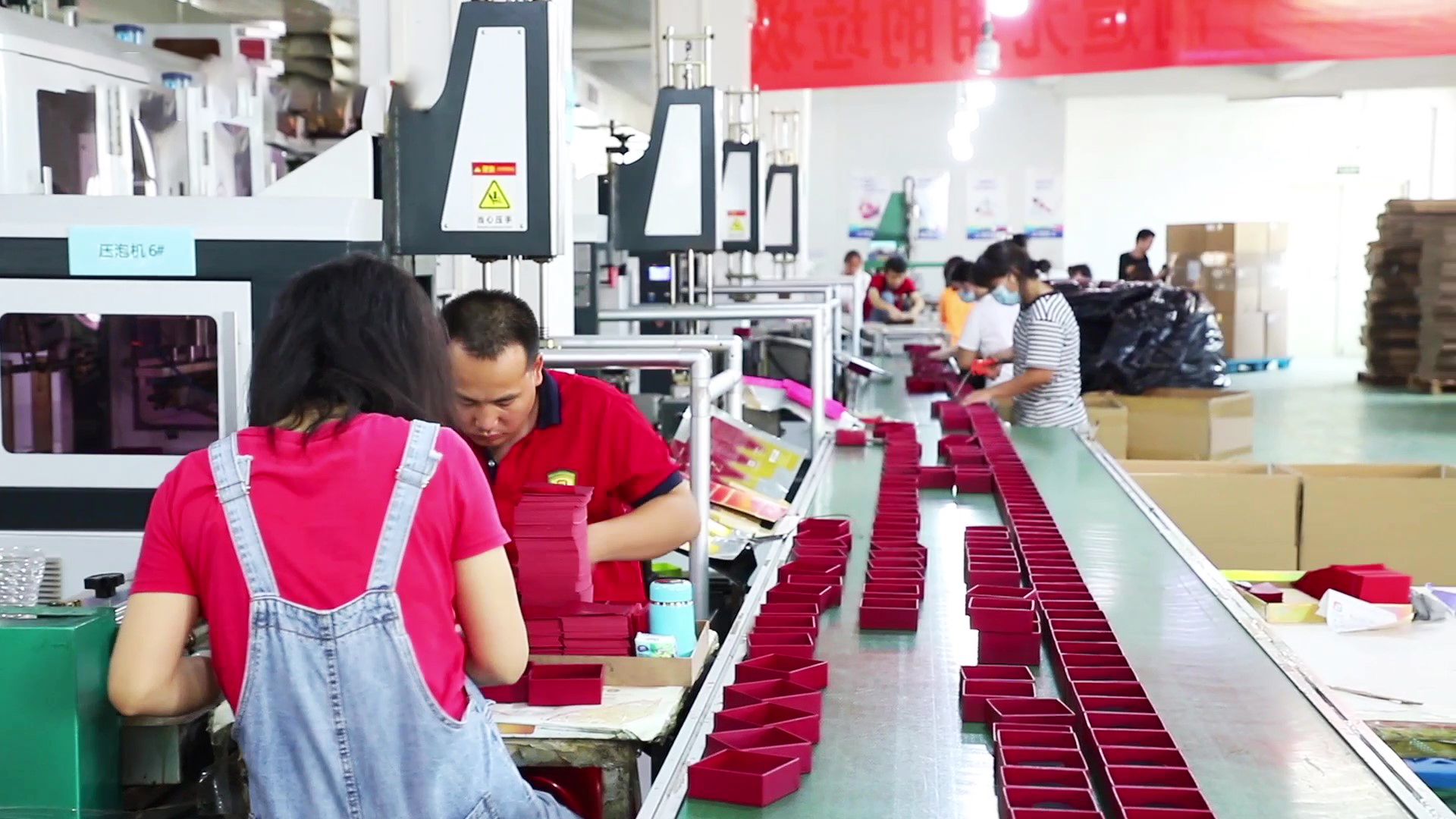
hen purchasing small quantities of custom gift boxes (rigid boxes, foldable boxes) or paper bags (apparel paper bags, tote paper bags), choosing the right packaging manufacturer is often the key to success. Many buyers encounter problems not because the products themselves are poor, but because they fail to find a packaging manufacturer truly suited for small-batch needs—many packaging manufacturers design their production lines and pricing models around large-volume orders, either raising the minimum order quantity (MOQ) for small orders or cutting corners on craftsmanship and missing deadlines. To be honest, small-batch procurement may seem simple, but it actually tests a packaging manufacturer’s flexibility, quality control capabilities, and service details more. The following 5 questions will help you quickly screen reliable packaging manufacturers and avoid subsequent troubles.
1. As a packaging manufacturer focusing on small-batch orders, can you offer flexible MOQs?
Many packaging manufacturers in the industry have high MOQ thresholds, mainly due to high production line switching costs and difficulty sharing mold fees—after all, traditional packaging manufacturers prefer to take large orders of over 10,000 units, and small orders are considered “low cost-performance” by them. However, high-quality packaging manufacturers deeply engaged in the small-batch market will optimize their production processes accordingly. For example, packaging manufacturers like Shengcai split MOQs based on product craftsmanship: rigid boxes with complex processes can start at 100 units, while simpler apparel paper bags can be customized starting at 200 units, without using a “one-size-fits-all” rule to force customers to overstock. It’s worth noting that small-batch procurement is mostly for start-ups testing products or established enterprises launching limited-edition series; the flexibility of a packaging manufacturer’s MOQ directly determines the buyer’s cost control capabilities.
2. For small-order customization, what customization support can your packaging manufacturer provide without additional charges?
Small batches don’t mean sacrificing brand positioning, but some packaging manufacturers limit customization options on the grounds of “small order volume”—either only offering general materials, refusing processes like hot stamping or UV coating, or even charging a “small-order service fee.” High-quality packaging manufacturers, on the contrary, value the customization needs of small orders because they understand that today’s small customers may become long-term partners tomorrow. Packaging manufacturers like Shengcai also support eco-friendly material options such as recycled paper and FSC-certified cardboard for small-batch orders; the surface treatment of rigid boxes and the handle style of tote paper bags can be adjusted as needed, and all customization items are clearly priced with no temporary additional fees. After all, customization is the core value of packaging, and packaging manufacturers should not lower service standards due to order size.
3. For small-batch orders, how does your packaging manufacturer ensure the stability of production + logistics cycles?
The biggest fear of procurement is “cycle out of control”—packaging manufacturers quote very short production times but avoid talking about logistics and customs clearance links, ultimately causing products to miss promotion deadlines. Reliable packaging manufacturers will provide a “full-cycle solution” rather than just completing production. In 2026, as a packaging manufacturer focusing on small-batch services, Shengcai has optimized its service process: the production cycle for rigid gift boxes is 7-10 working days, and apparel paper bags can be completed in 3-5 working days. It also cooperates with more than 3 freight forwarders to choose the optimal logistics route based on the customer’s location, and even provides customs clearance document support. More importantly, packaging manufacturers will proactively inform customers of potential delay risks (such as peak season logistics congestion) and offer alternative solutions—this is the true manifestation of professionalism.
4. In small-batch production, how does your packaging manufacturer avoid the problem of “loose quality for small batches”?
Many buyers have a misunderstanding: for small-batch orders, packaging manufacturers will relax quality inspection standards. But the opposite is true—small-batch orders are mostly used for trial sales, gift-giving and other scenarios; once quality problems occur, the damage to brand reputation is more direct. High-quality packaging manufacturers will establish exclusive quality inspection processes for small orders: Shengcai’s quality inspection team conducts 10% full-item sampling inspection for each small-batch order, testing the bonding strength of rigid boxes, the load-bearing capacity of foldable boxes, and the handle firmness of tote paper bags one by one—even stricter than for large-volume orders. After all, a packaging manufacturer’s reputation is built on every order, and the quality of small orders is also a reflection of strength.
5. When cooperating with your packaging manufacturer for small-batch orders, can you provide 100% transparent cost details?
Hidden fees are an “invisible trap” for small-batch procurement—some packaging manufacturers only quote the unit price of products when quoting, but later add additional expenses such as mold fees, setup fees, and design modification fees, causing buyers to exceed their budgets. Truly reliable packaging manufacturers will take the initiative to provide detailed cost breakdowns: for example, whether mold fees can be waived in subsequent repeat orders, whether setup fees are discounted for simple designs, and even various logistics fees are clearly listed. Shengcai issues a complete quotation at the initial stage of cooperation; even for small orders of 100 units, there are no hidden charges. This is why many customers are willing to cooperate long-term—cooperating with a transparent packaging manufacturer is worry-free and reassuring.
2026 Small-Batch Custom Packaging Core Information Table (Packaging Manufacturer Service Reference)
| Custom Product Type | Packaging Manufacturer MOQ | Production Cycle (Excluding Logistics) | Core Service Highlights of Packaging Manufacturer |
|---|---|---|---|
| Rigid Gift Boxes | 100 units | 7-10 working days | Supports hot stamping/UV coating, offers eco-friendly material options |
| Foldable Boxes | 150 units | 5-8 working days | Customizable sizes, special testing for folding toughness |
| Apparel Paper Bags | 200 units | 3-5 working days | Optional handle styles, load-bearing capacity ≥5kg |
| Tote Paper Bags | 180 units | 4-6 working days | Brand logo printing available, supports recycled paper customization |
FAQ: Common Questions About Small-Batch Procurement & Packaging Manufacturers
Q: How to judge if a packaging manufacturer is truly good at small-batch customization?
A: You can evaluate from three dimensions: first, whether there are clear small-batch MOQ rules and service processes, rather than ad-hoc solutions; second, whether they can provide past small-batch order cases; third, whether they support small-batch sample customization to allow you to verify quality in advance. Packaging manufacturers like Shengcai that focus on small-batch needs will take the initiative to display small-batch customization cases and samples, making their strength evident at a glance.
Q: For eco-friendly material customization, do packaging manufacturers have requirements for small-batch orders?
A: Most high-quality packaging manufacturers do not set restrictions—Shengcai supports eco-friendly material customization starting from 100 units, whether it’s recycled paper tote bags or FSC-certified cardboard rigid boxes. The key is to find a packaging manufacturer that “values environmental protection and has a stable supply chain” to avoid delays due to material shortages.
For small-batch custom packaging procurement, choosing the right packaging manufacturer is more important than anything else. The above 5 questions essentially examine a packaging manufacturer’s service philosophy, production strength, and industry experience—those packaging manufacturers that can easily answer these questions can truly solve your pain points. For start-ups, a reliable packaging manufacturer can help you control costs and create differentiated packaging; for established enterprises, a professional packaging manufacturer can be a powerful partner in testing new products and expanding markets. It is hoped that these suggestions will help you find the most suitable packaging manufacturer, making small-batch custom packaging both worry-free and impressive.